On August 17, 2026, the 60-day deadline for a lasting U.S.–Iran peace deal expired with no agreement. That clock had started on June 17, when both countries signed a memorandum that was supposed to pause fighting and lead to a final deal. A week later, Iran and Oman said they had agreed on a temporary shipping route through the Strait of Hormuz — the narrow waterway that a fifth of the world's oil used to pass through. Iran still said the strait would not fully reopen. See the full situation update below.Jump to update
Situation Update
Where Things Stand Hormuz Talks
Updated August 27, 2026 — 60-day peace deadline expired; Hormuz still barely moving
Feb 28War begins — The U.S. and Israel launch strikes on Iran. Supreme Leader Khamenei is killed; his son Mojtaba is later named the new Supreme Leader.Al Jazeera
Apr 8First ceasefire — After more than five weeks of fighting, the U.S. and Iran agree to a Pakistan-brokered ceasefire.Al Jazeera
Jun 8Ceasefire strained — Iran fires missiles at Israel. Israel strikes back at military sites in Tehran, Isfahan, Tabriz, and other cities, nearly restarting the war.Wikipedia
Jun 17Peace deal signed — President Trump signs a peace memorandum at the Palace of Versailles; Iran's President Pezeshkian signs it too, from Tehran. The two countries get 60 days to work out a lasting deal.Al Jazeera
Jul 6–8Collapse — Iran's Revolutionary Guard strikes commercial tankers in the Strait of Hormuz. The U.S. retaliates across Iran, and President Trump declares the ceasefire "over."CNN
Aug 17Deadline expires — The 60 days run out with no final deal. The two sides are further apart than they were in June. Pakistan says it is still trying to restart talks.AP News
Aug 26A temporary Hormuz route — Iran and Oman say they have agreed on a temporary shipping corridor through the strait, about seven miles wide, plus a mine-clearing project. Iran says the waterway still will not fully reopen until the United States meets conditions from the expired June memorandum.Al Jazeera
🌍
How is the conflict spreading beyond Iran?
For most of April, May, and June, the Gulf states, Lebanon, and the Strait of Hormuz were quiet fronts. The April 8 ceasefire held, and a June 17 peace memorandum seemed to be moving both sides toward a lasting deal.Al Jazeera
That changed on July 6–8. Iran's Revolutionary Guard struck commercial tankers near Oman, and the U.S. answered with strikes on more than 80 targets inside Iran. President Trump declared the ceasefire "over."CNN
The Strait of Hormuz is still barely moving. Iran declared the waterway closed after July fighting, and the U.S. Navy has kept a blockade on Iranian ports. President Trump said on August 18 that the strait was "open and operating." Ship-tracking data told a quieter story: just three vessels crossed on Sunday, August 16.CNBC A week later, traffic was still a trickle. Ship-tracking firm Kpler counted five confirmed crossings on Tuesday, August 25 — down from more than 130 vessels a day before the war. All five used the route Iran has designated. Another oil tanker was struck by an unidentified projectile that week.CNBC
Iran and Oman sketched a new lane anyway. After talks in Tehran on August 26, Iran's deputy foreign minister said the two countries had agreed on a temporary transit corridor about seven miles wide, plus a project to clear mines. Iran still said the strait would not fully reopen until the United States met conditions from the expired June memorandum — including lifting the naval blockade and sanctions.Al Jazeera
The Gulf front is not quiet either. On August 18, the United Arab Emirates said its air defenses detected two ballistic missiles launched from Iran toward the UAE. One fell outside UAE waters; the other fell inside them. No injuries were reported.CNBC
As of August 27, there is still no new U.S.–Iran peace deal. Qatar's prime minister was in Tehran that day to talk about de-escalation and navigation through Hormuz. President Trump said in an interview that week he had "no time schedule" for restarting talks with Iran.CNBC Iran's foreign minister has said the June memorandum is no longer relevant because, in Iran's view, the U.S. broke it weeks after it was signed. Pakistan says it is still trying to get both sides back to the table.AP News
Think About It
When a conflict spreads to countries that weren't originally involved, it makes it much harder to stop. Why do you think Iran struck U.S. allies in the Gulf again, instead of only striking the U.S. and Israel directly?
How much is this conflict costing — and who pays the price?
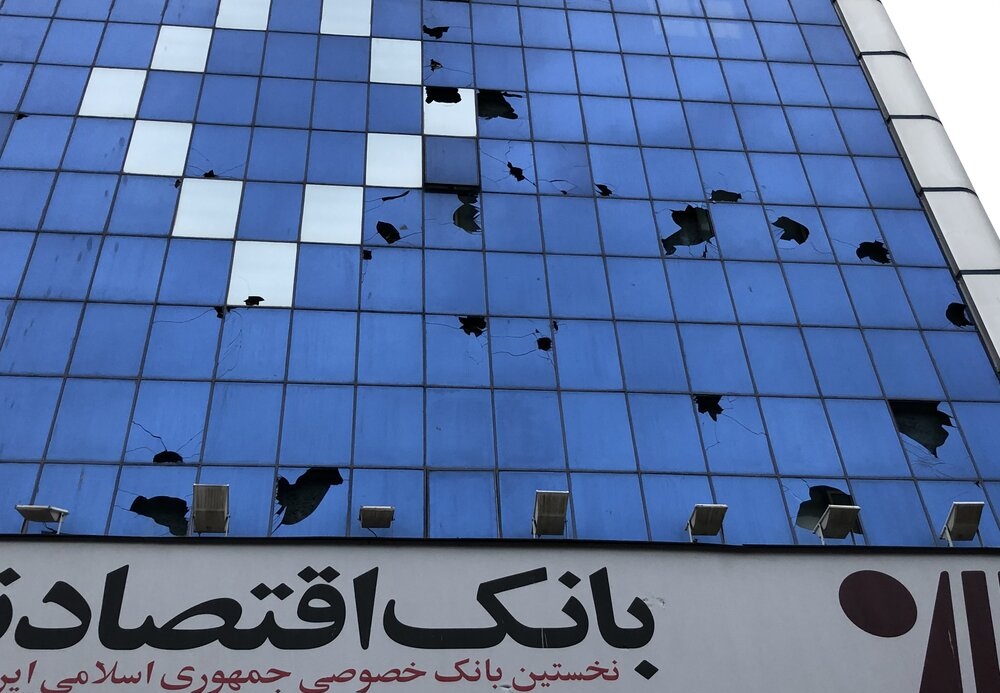
The July fighting hit the economy all over again. Oil prices jumped about 12% in a single week — the biggest one-week jump since April — as the Strait of Hormuz shutdown reversed months of falling prices.OilPrice.com
$3.95
U.S. gas, per gallonAAA, Jul 16
~$85
Brent crude, per barrelAl Jazeera, Jul 17
5
Hormuz transits, Aug 25CNBC / Kpler
That's why the price shock came back. About 20% of the world's oil and gas normally passes through the Strait of Hormuz. When only three vessels crossed on August 16 — even as U.S. officials said the strait was open — markets treated the waterway as blocked. Nine days later, Kpler still counted just five crossings. Iran and Oman have talked about a temporary new route, but Iran says the strait stays closed until the United States meets its conditions. Tankers have still been hit.CNBC
The human cost keeps rising: Cross-source counts put total deaths across the war at somewhere between about 7,000 and 9,700+, with tens of thousands more wounded. Iran's own count of its dead is over 3,400; U.S. and Israeli estimates run much higher.Wikipedia In the week after the ceasefire collapsed, U.S. forces struck roughly 140 targets inside Iran. Iran's government said more than 30 civilians were among the dead from those strikes.Al Jazeera
The economic pain still reaches far beyond the Middle East. Higher oil prices push up the cost of gas, food, and shipping for people everywhere — not just in countries that are fighting.Al Jazeera
Key Word — Strait of Hormuz
A narrow sea passage between Iran and Oman. It is one of the most important shipping routes in the world because so much oil and gas passes through it. When it is blocked, energy prices rise everywhere.
Think About It
Oil prices jumped again in July, even after months of the war seeming to calm down. Why might a short burst of fighting near a shipping route affect prices more than the sheer number of days a war has lasted?
How are people reacting — in the U.S. and around the world?
Two big stories about reactions inside Iran stand out this month: a massive funeral for the leader killed in February, and protests that came back the moment it ended.
A huge, days-long funeral: In early July, Iran held an enormous public funeral for Ayatollah Ali Khamenei, the Supreme Leader killed at the start of the war. His body was carried through Tehran, Qom, the Iraqi holy cities of Najaf and Karbala, and finally to his hometown of Mashhad for burial. Iranian officials say millions of people turned out.NPR
The new Supreme Leader still hasn't been seen. Mojtaba Khamenei, the slain leader's son and successor, did not appear at his own father's funeral. He was reportedly hurt in the same strike that killed his father, and officials say keeping him out of sight is meant to protect him from assassination. Some Iranians say his absence makes them feel less secure, not more.Al Jazeera
Protests resumed as soon as the funeral ended. By the weekend of July 11–12, demonstrations broke out in cities across Iran, including Tehran, Ahvaz, Shiraz, Kermanshah, and Shush. Retirees, factory and healthcare workers, and university students all took to the streets — not mainly about the war, but about years of high inflation, unpaid pensions, and falling living standards.Iran News Update
"Our tables are empty": That was one chant retirees used, alongside slogans like "enough of warmongering." Protesters are frustrated that the government keeps talking about the war while everyday costs keep rising, and Iran's economy is expected to shrink sharply this year.IranWire
Around the region: Iran traded strikes with the U.S. and Gulf states through mid-July. Qatar and Bahrain didn't condemn Iran outright. Instead, Qatar raised its security threat level, and Gulf militaries took defensive action. At the same time, Qatar kept working with Pakistan to try to broker a new ceasefire.Al Jazeera
Think About It
Protesters are angry about the economy, not just the war — but the war is a big reason the economy is struggling. Why might a government leaning on wartime unity make it harder, not easier, to keep people from protesting economic problems?
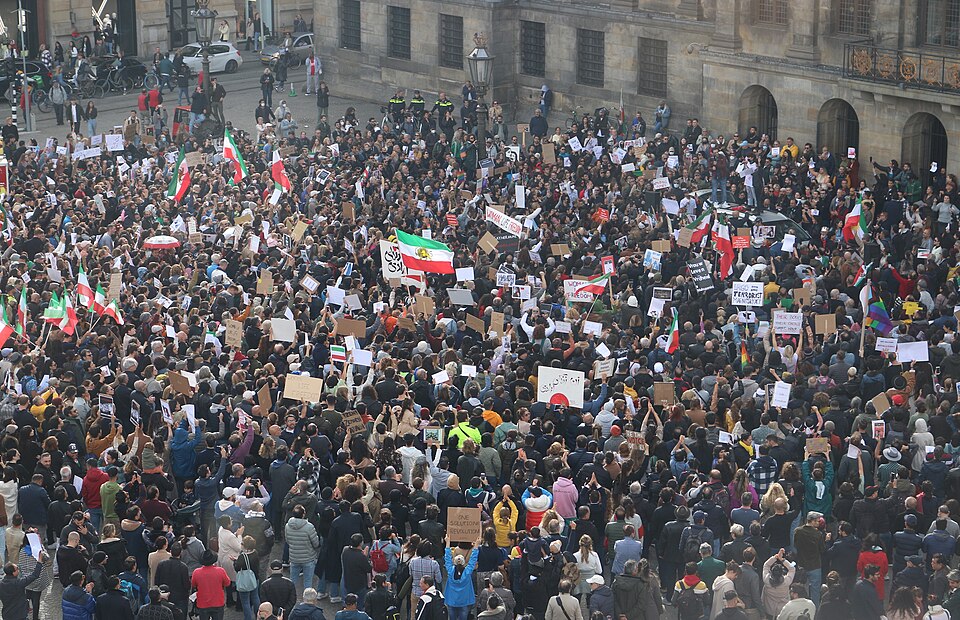
In December 2025, huge crowds of Iranians took to the streets to protest, starting with a shopkeepers' strike in Tehran's Grand Bazaar over the collapse of Iran's currency.UConn It wasn't just about money — it was also about freedom, speech rights, and less government control. Women, students, doctors, workers, and young people all joined.UConn
6,221+
people killed in the crackdownOver 42,300 arrested — one of the deadliest periods of repression in Iran in decades, per Human Rights Activists News Agency.
Key Word — Supreme Leader
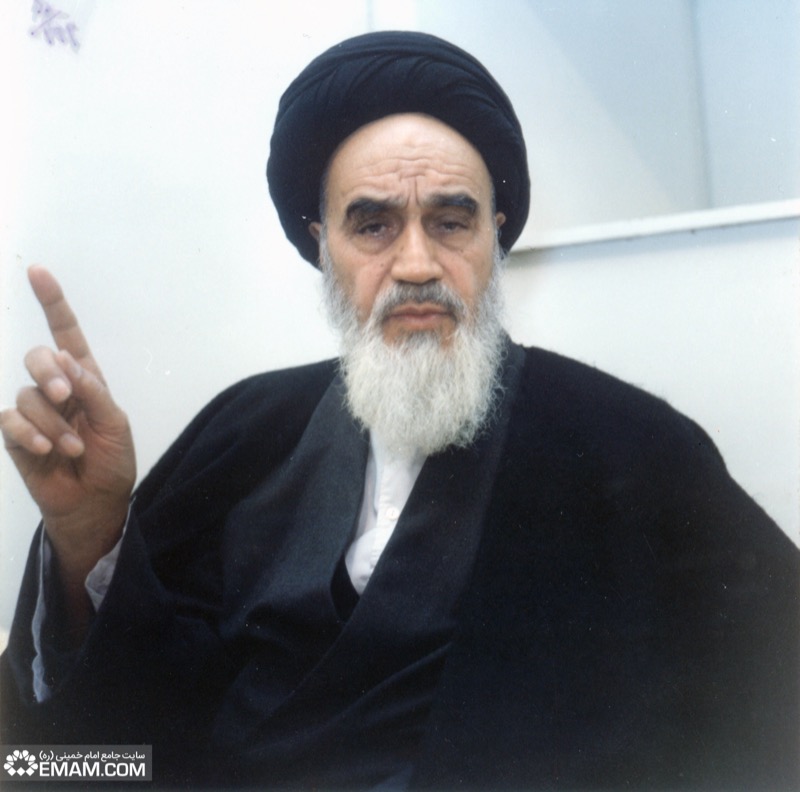
Iran's most powerful government position, with final say over the military, courts, and major decisions — even more powerful than the elected president. Until March 2026, this was Ayatollah Ali Khamenei.
The protest movement returned in July 2026, right after Khamenei's funeral, driven by the same economic hardship.NPR
War between the U.S., Israel, and Iran (February–July 2026)
On February 28, 2026, the U.S. and Israel launched major strikes — described by PBS News as "a war to overthrow the Iranian regime," not a limited operation.PBS Khamenei was killed, and Iran launched retaliatorySent in answer to an attack rather than to begin one. Iran fired these missiles after the U.S. and Israeli strikes of February 28, 2026, and each side then treated the other's answer as a fresh reason to hit back. strikes. In the opening days, 3 U.S. troops were killed and 5 wounded.PBS
A heavy early loss
Iran reported that 153 civilians were killed at a girls' elementary school in southern Iran in the opening days of the war. The Israeli military denied being responsible.PBS
A ceasefireAn agreement to stop shooting. It only pauses the fighting and does not settle what the two sides disagree about, which is why this one held for three months and then broke in a single weekend. held from April 8, and a peace memorandumA written agreement that both governments sign, setting out what each side promises. It is weaker than a formal treaty: this one mainly started a 60-day clock to reach a real deal, and when that clock ran out on August 17, 2026, no lasting deal replaced it. was signed June 17 — but it collapsed after the July 6–8 tanker strikes.CNN The two sides kept fighting. A 60-day clock that was supposed to produce a lasting deal ran out on August 17, 2026, with no agreement.AP News
Many Iranians were protesting against their own government and hoping for change. How does it change things when the U.S. and Israel attack a country while its own people are also fighting for freedom inside?
3 Points Unlocked
The "Woman, Life, Freedom" movement (see the 2022 timeline entry below) grew out of decades of smaller protests. Iran's protest movements are diverse — they include secular and religious Iranians, different ethnic groups, and people across the political spectrum, all frustrated for different but overlapping reasons.
Iran sits in the Middle East, between the Persian Gulf and the Caspian Sea — about five times the size of California.Nat Geo Kids It's home to mountains, deserts, and forests. Historically known as Persia, the region has over 7,000 years of civilization behind it.Nat Geo Kids
Interactive map — click the marker for Tehran, zoom in and out, and find Iran's neighboring countries.
87M
PeopleNat Geo Kids
#17
Largest country by areaNat Geo Kids
5×
Size of CaliforniaNat Geo Kids
Farsi
Official languageNat Geo Kids
7,000+
Years of civilizationNat Geo Kids
4th
Largest oil reservesWikipedia
Geography Explorer — you clicked all the stats
Iran's official name is the Islamic Republic of Iran. It borders seven countries — Iraq, Turkey, Armenia, Azerbaijan, Turkmenistan, Afghanistan, and Pakistan — plus two bodies of water.
The Haft-sin — a traditional table set for Nowruz, the Persian New Year. Over 300 million people worldwide celebrate Nowruz. Wikimedia Commons (CC-BY)
Important
The Iranian government ≠ the Iranian people. Millions of Iranians love art, music, poetry, soccer, and connection with the world. Many have been protesting against their own government's restrictions. When news talks about "Iran doing something," it usually means the government of Iran, not everyday Iranians.
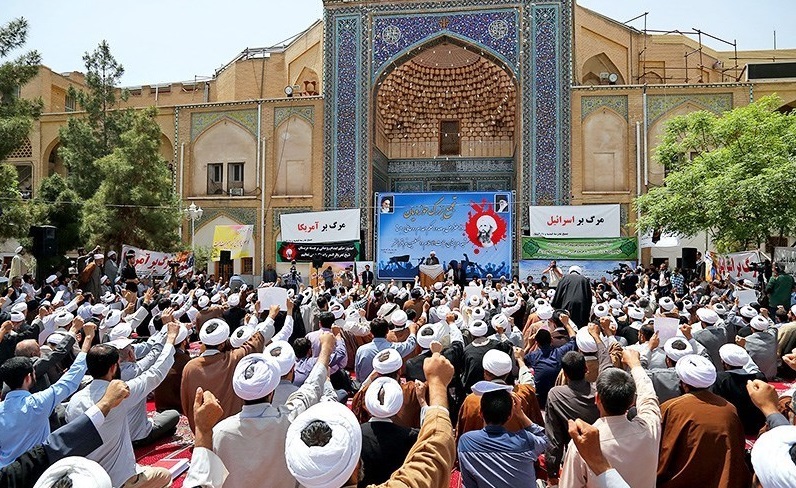
A gathering outside the Qom Seminary, Iran's biggest center for Shia religious study. Government-organized rallies like this are common there — a reminder that images from Qom often show official events, not everyday classes. Wikimedia Commons (CC-BY 4.0)
Iran has a very young population — about half of all Iranians are under 35 years old.Nat Geo Kids Many young Iranians grew up using social media and the internet to connect with the world, even though the government often tries to restrict what they can see online.UConn
Iran is home to many ethnic groups: Persians, Azerbaijanis, Kurds, Arabs, and Lurs.Nat Geo Kids It has a rich tradition of poetry, art, and philosophy going back thousands of years — Persian poets like Rumi and Hafez are still read all over the world today.
~95%
Muslim (mostly Shia)Nat Geo Kids
60%+
Persian ethnicityNat Geo Kids
85%
Literacy rateNat Geo Kids
Under Iran's current government, people face many restrictions. Women must wear a hijabA head covering. Iranian law requires women to wear one in public. in public by law.UConn Freedom of speech and peaceful protest are restricted, and people can be arrested for criticizing the government — big reasons why so many Iranians have been protesting.UConn
Many tensions between Iran and the United States go back 70+ years. Understanding what happened then helps explain why things are so complicated today.
Around 550 BCE
The Persian Empire
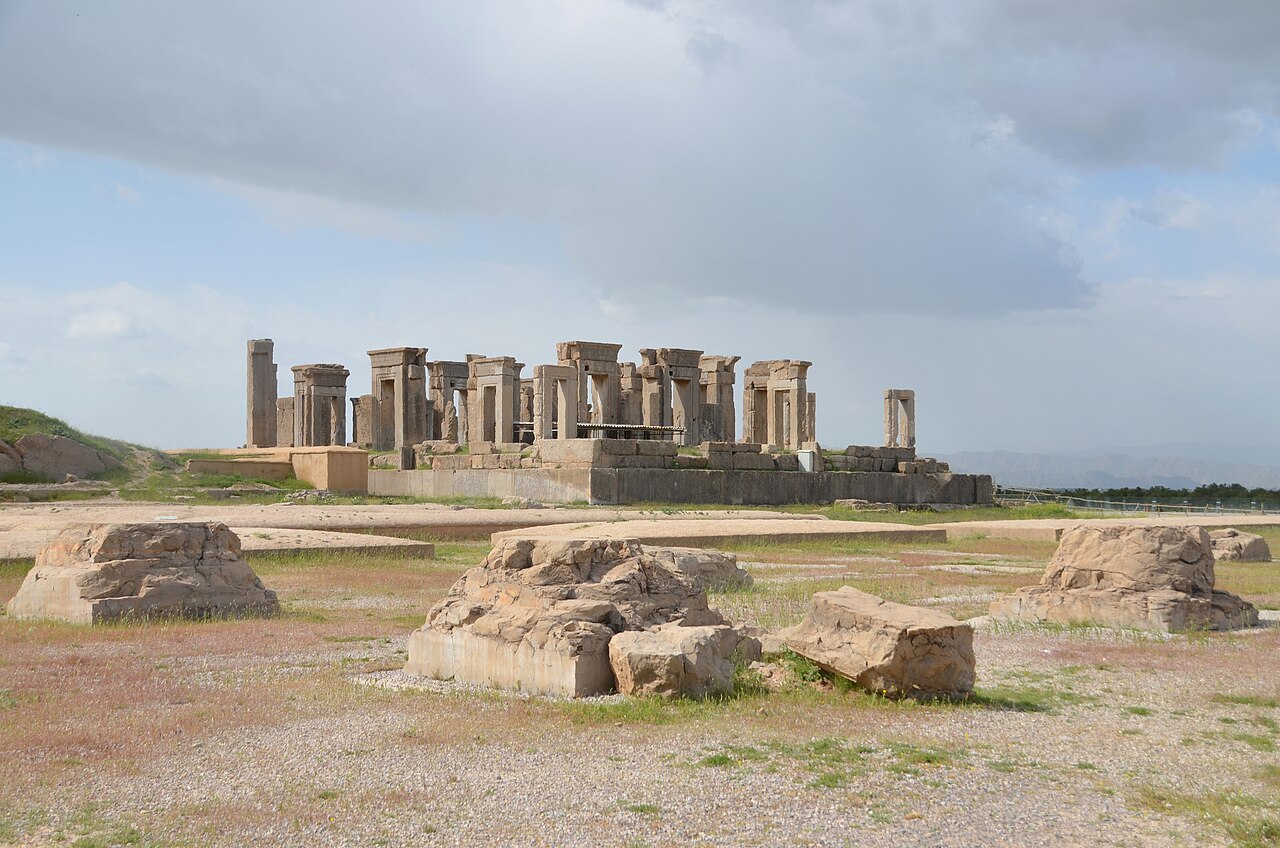
Long before it was called Iran, this region was home to the mighty Persian Empire — one of the largest empires in history, stretching from Egypt to India.Nat Geo Kids Persia was known for its science, law, art, and culture. That long history is a big reason Iranians today are very proud of their ancient heritage.
Early 1900s
Foreign Powers Eye Iran's Oil
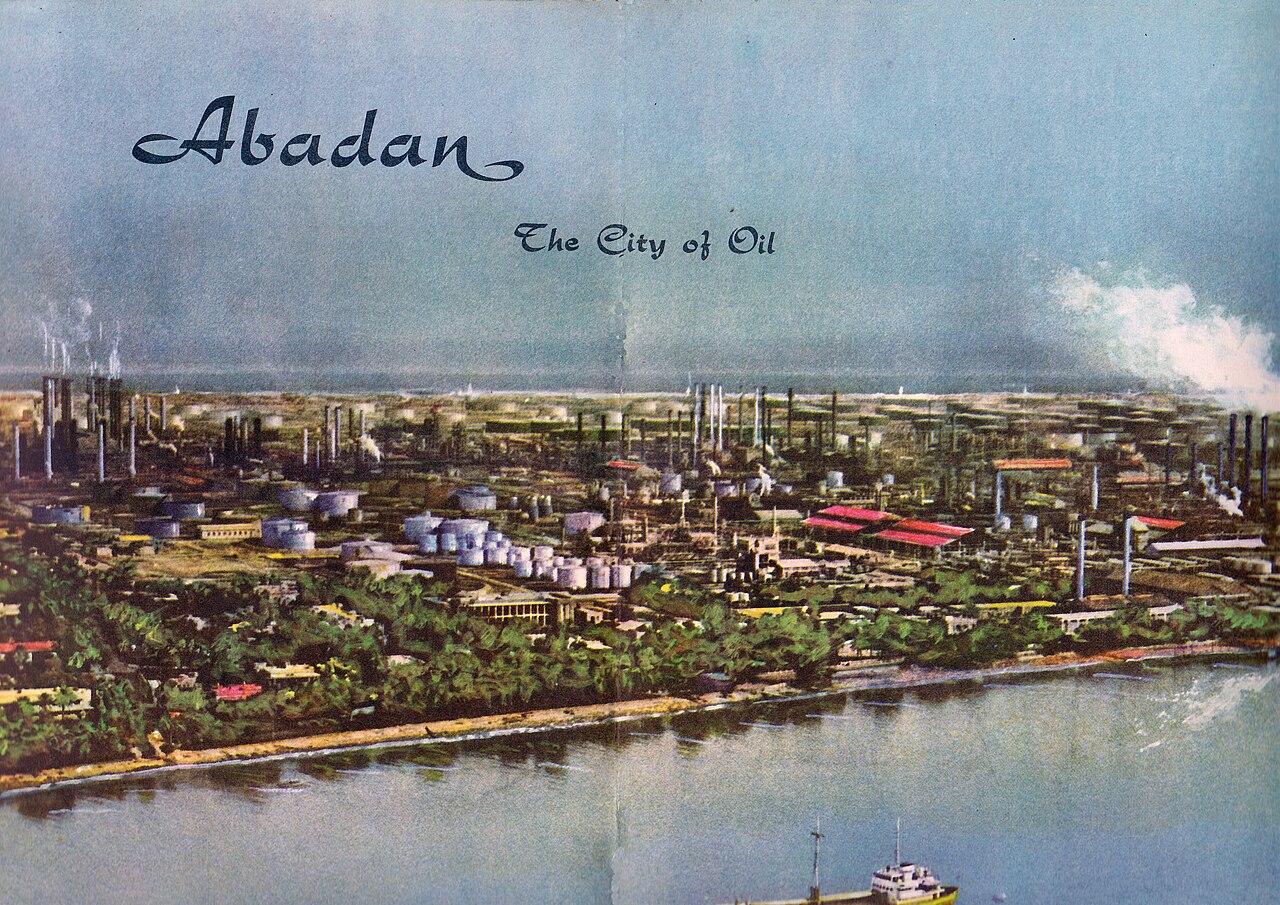
Iran was ruled by kings called Shahs. Britain and Russia pressured Iran because they wanted access to its enormous oil reserves and trade routes.NPR Iranians began pushing for more control over their own country and resources — tension that would boil over in 1953.
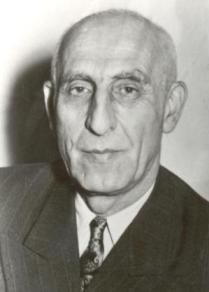
Iran elected a very popular prime minister named Mohammad Mosaddegh.NPR He wanted Iran to control its own oil instead of letting Britain profit from it. Most Iranians thought that seemed very reasonable.
Britain was furious. They worked with the CIAThe Central Intelligence Agency — the U.S. government's spy agency. to secretly remove Mosaddegh from power and put the Shah back in control, in an operation called Operation Ajax.NPR Many Iranians never forgot this. It's one of the biggest reasons for deep distrust of the United States in Iran today.
After years of anger at the Shah's corrupt government — including human rights abuses and repression — massive protests swept Iran, and the Shah fled the country.NPR A religious leader named AyatollahA senior rank among Shia Muslim scholars of religious law, and a title rather than a name. Khomeini and Khamenei are both called this, and in Iran's system that religious standing is what places a cleric above the elected president. Khomeini took control. Iran became an Islamic Republic: a government run according to strict religious law.NPR
Iranian students stormed the U.S. Embassy in Tehran and held 52 Americans hostage for 444 days.NPR The two countries have had no normal diplomatic relations since. That means they have no embassies in each other's countries and rarely communicate directly.
1980–1988
The Iran-Iraq War
Iraq, led by Saddam Hussein, invaded Iran. The war lasted 8 brutal years and killed hundreds of thousands of people on both sides.NPR The U.S. quietly supported Iraq during this war, which added more resentment toward the United States in Iran.
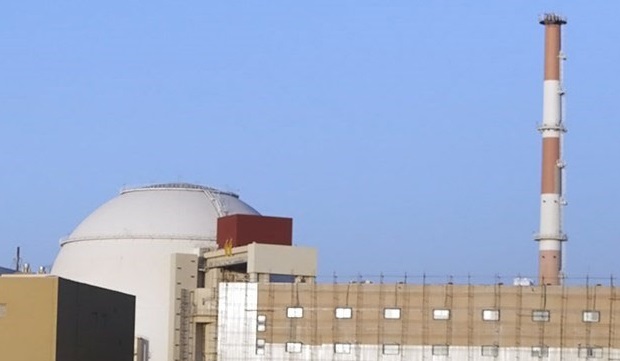
Iran began developing nuclear technology, which it said was for electricity and energy.CFR Many countries — especially the U.S. and Israel — worried it was secretly building nuclear weapons. The U.S. and other countries put sanctions on Iran, which made life much harder for ordinary Iranians.
Key Word — Sanctions
When countries agree not to trade with or do business with another country, to pressure it to change its behavior. Sanctions hurt ordinary people, not just the government.
2015
The Nuclear Deal
The U.S., Iran, and other world powers signed a major agreement: Iran would limit its nuclear program, and the world would lift economic sanctions.CFR It seemed like a turning point. Ordinary Iranians hoped their lives would get better — but it was controversial, and that hope didn't last long.
President Trump withdrew the United States from the 2015 nuclear agreement and put new, much harsher sanctions back on Iran.CFR The Iranian economy suffered badly, and tensions between the U.S. and Iran spiked quickly.
January 2020
The U.S. Kills Iran's Top General
The U.S. military killed General Qasem Soleimani, Iran's most powerful military commander, in a drone strike in Iraq.NPR Iran was outraged, and many feared it would start a major war. Iran launched missiles at U.S. military bases in Iraq in response, injuring over 100 American soldiers.NPR
A 22-year-old Kurdish-Iranian woman named Mahsa Amini died after being arrested by Iran's "morality police" for not wearing her hijab the way the government required.NPR Massive protests erupted across Iran — especially among women — demanding freedom and an end to strict dress code laws. The slogan "Woman, Life, Freedom" echoed in streets worldwide.
Dec 2025–Jan 2026
Major Uprising: Protests Explode Across Iran
Iran's currencyThe money a country issues and pays its people in, which in Iran is the rial. When it lost most of its value, wages and savings bought far less each week, and that is what put the Grand Bazaar shopkeepers on strike. collapsed, prices skyrocketed, and people went hungry. Massive nationwide protests erupted, starting with a shopkeepers' strike in Tehran's Grand Bazaar.UConn Human rights groups say at least 6,221 people were killed and over 42,000 arrested in the government's violent crackdown — the deadliest in decades.UConn
The United States and Israel launched major military strikes targeting Iran's nuclear facilities and military infrastructure.PBS Iran's Supreme Leader Ayatollah Khamenei was killed.PBS Iran launched retaliatory strikes across the Middle East, opening a war that would last for months.
After a ceasefire held for over two months, President Trump and Iran's President Pezeshkian signed a memorandum at the Palace of Versailles to end the war.Wikipedia
Jul 2026
Ceasefire Collapses
Iran's Revolutionary GuardA separate branch of Iran's armed forces that answers to the Supreme Leader rather than to the elected president. It controls Iran's missile forces and its operations outside the country, which is why an attack it ordered was enough to end a peace agreement Iran's own president had signed. struck commercial tankers near Oman, and the U.S. struck back. The peace deal fell apart.CNN
Hidden History Unlocked
1960s — The Shah's White Revolution: Between the 1953 coup and the 1979 revolution, the Shah launched major modernization programs — building roads, schools, and giving women the right to vote. But he also used a brutal secret police force called SAVAK to silence critics. Many historians say this repression actually helped cause the 1979 revolution, because people grew more and more angry.
Iran has the 4th largest oil reserves on Earth.Wikipedia That is why a fight in the Strait of Hormuz shows up at U.S. gas pumps: when the waterway is threatened, oil prices rise everywhere.
A conflict that could spread
Iran has allies and partners across the Middle East — in Lebanon, Gaza, Iraq, and Yemen.Princeton When the U.S. and Israel attack Iran, those partners can pull more countries into the same fight — which is how a war that started in one place becomes harder to stop.
U.S. actions have a long history
The United States has been inside Iran's story for over 70 years — from helping overthrow Iran's democracy in 1953, to the nuclear deal, to the killing of Soleimani, to the 2026 attacks.NPR Those choices are why American soldiers, ships, and diplomats are already nearby when the fighting starts again.
Real people are affected every day
Behind every news headline are millions of ordinary Iranians — students, parents, teachers, and kids. Many of them want the same things people everywhere want: safety, freedom, and a chance at a better life.UConn The protests you read about above are those people, not their government.
Media literacy matters here
Multiple experts warn that reporting on Iran can be incomplete or biased. Iran's government often restricts internet access and controls what information gets out.UConn When a government can shut off the internet, checking more than one trusted source is how you find out what you are missing.
5 Points Unlocked — Bonus Deep Dive
Iran's government is actually a hybrid system — it has an elected president AND parliament, BUT an unelected Supreme Leader has the final say over everything. Iranians can vote, but the Supreme Leader can override or block any decision he disagrees with. After Khamenei's death in 2026, his son Mojtaba was named the new Supreme Leader — and he still has not been seen in public.
10 Points — You're a History Expert
You've shown serious curiosity about this topic. Here's the hardest question to think about: the U.S. helped remove Iran's democracy in 1953. Do you think that decision, made 70+ years ago, still shapes U.S.-Iran relations today? If a country makes a mistake, how long should other countries remember it — and should it affect how they work together now?
There's no single right answer. Historians, politicians, and Iranians themselves disagree. That's what makes it a great question.
A popular leader who wanted Iran to control its own oil. The CIA helped remove him from power. Many Iranians see his story as proof that Western countries interfere in their affairs.
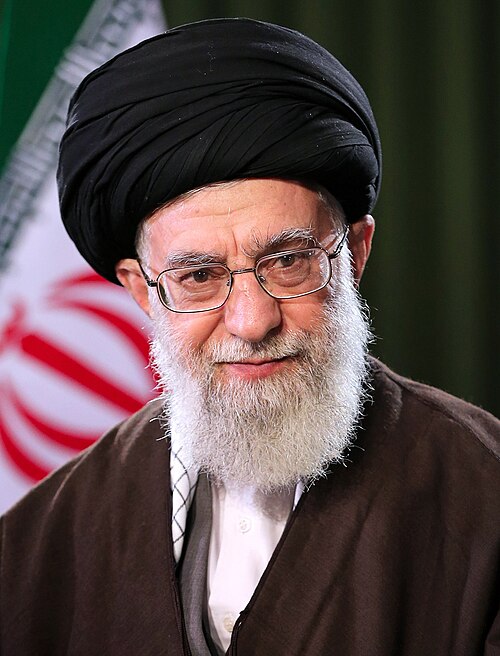
Iran's most powerful leader for over 30 years, with final say over the military, courts, and major decisions. His death in the 2026 U.S.-Israel strikes leaves Iran's future deeply uncertain.
A 22-year-old woman whose death in police custody in 2022 sparked the biggest protests in Iran in decades. Her name became a symbol of the fight for freedom. We could not find a real photo of her that we were allowed to use, so we did not add one here.
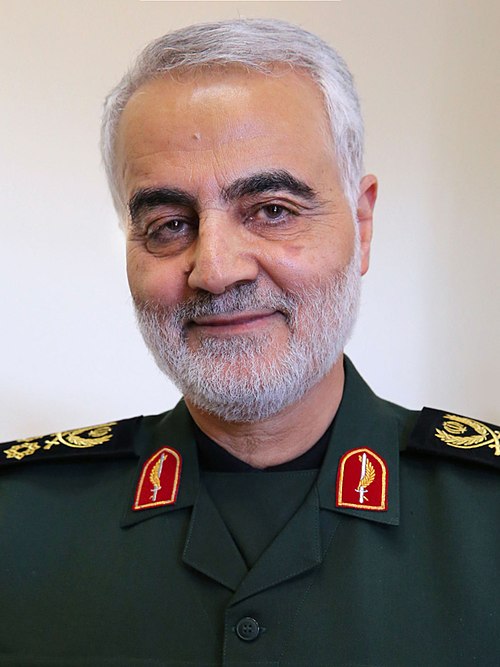
Iran's most powerful general, responsible for Iran's military activities across the Middle East. His killing by a U.S. drone strike in 2020 nearly started a war.
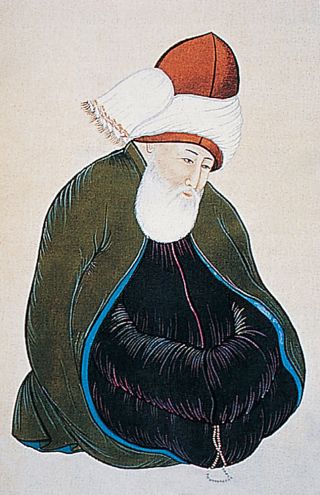
One of the most famous poets in history, born in what is now Afghanistan, writing in Persian. His poetry about love, God, and humanity is still read around the world today.